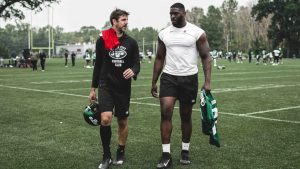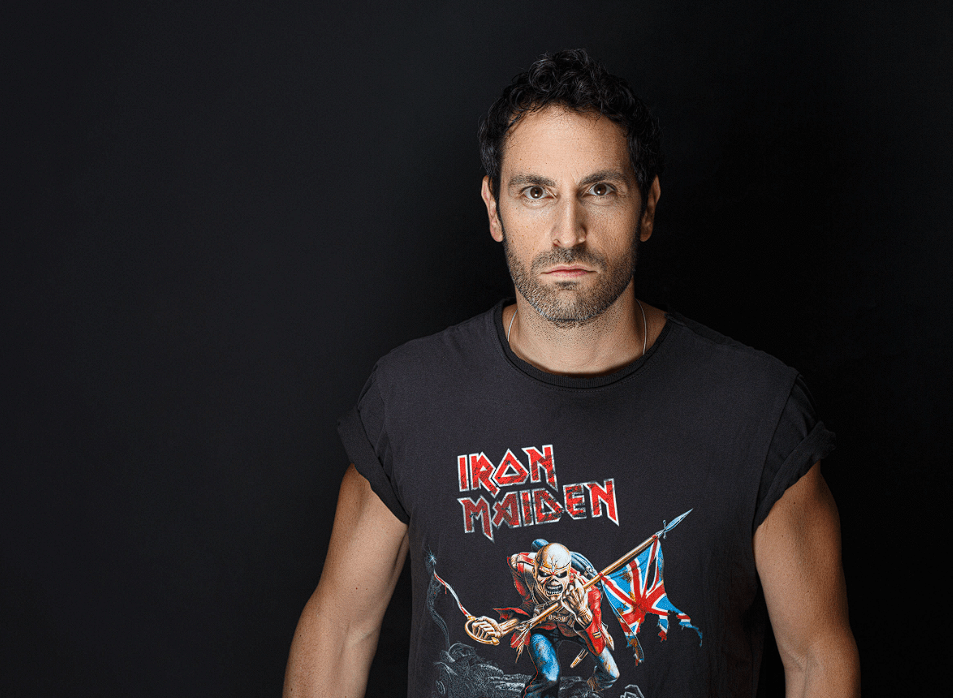
ESPN is entering a new era, and the transition is coming with some of the network’s most recognizable faces heading out the door. As the company continues integrating its roughly $3 billion acquisition of NFL Network, it has moved on from several prominent personalities, including Ryan Clark, Karl Ravech, Tom Pelissero, Cam Newton, David Lloyd, Stephania Bell, Bart Scott, and Charles Davis.
According to ESPN leadership, the restructuring is part of a broader effort to align operations following the merger, with many reductions affecting behind-the-scenes positions in Los Angeles alongside select on-air talent based in Bristol. Among the biggest surprises was the departure of Ryan Clark, whose outspoken analysis and willingness to challenge conventional thinking made him one of the network’s most recognizable NFL voices. The former Super Bowl champion spent more than a decade building his television career, becoming a fixture across ESPN programming, including First Take.
The news quickly drew emotional reactions from colleagues, including Stephen A. Smith, who publicly expressed disappointment over the departures as another round of Disney cost-cutting reshaped the company’s media landscape. The timing of the layoffs has become an even larger story because it coincides with negotiations surrounding Pat McAfee’s next contract. ESPN and McAfee are reportedly working toward an extension believed to be worth between $60 million and $65 million annually, a figure that would roughly double the value of his current agreement.
That overlap ignited fierce debate across social media, where some critics questioned how a company could cut veteran personalities while simultaneously preparing one of the richest talent deals in sports media history. McAfee addressed the conversation directly on his show, making it clear he understood the frustration surrounding the layoffs while rejecting the idea that his contract negotiations were responsible for them. He stated he “hates any time this happens,” while emphasizing that the economics of his independently produced program are separate from the staffing decisions being made across the broader company.
The episode underscores how dramatically the sports media business continues to evolve. Major rights deals, corporate mergers, and personality-driven programming are reshaping television at the same time legacy broadcasters face increasing pressure to streamline operations. ESPN’s latest moves reflect that balancing act, where investing heavily in marquee brands and star personalities often unfolds alongside difficult decisions affecting longtime employees.